- ホームページ
- When creating SEO titles for the keyword “photolayers,” it’s important to focus on relevance, clarity, and user intent. Here are some SEO-friendly title suggestions that incorporate the keyword naturally:
—
### **1. “Mastering Photo Layers: Tips and Techniques for Beginners”**
– **Why it works:** This title targets users looking to learn about photo layers, making it ideal for educational content. It uses the keyword “photolayers” naturally and adds “beginners” to attract a specific audience.
—
### **2. “How to Use Photo Layers Effectively in Photoshop”**
– **Why it works:** This title is action-oriented and specifies the tool (Photoshop), which is a common software for working with photo layers. It directly addresses users seeking practical guidance.
—
### **3. “The Ultimate Guide to Working with Photo Layers”**
– **Why it works:** This title positions the content as a comprehensive resource, appealing to users who want in-depth information. The keyword “photolayers” is prominently featured.
—
### **4. “Photo Layers Explained: Understanding and Applying Them in Your Projects”**
– **Why it works:** This title combines explanation and application, making it useful for both beginners and intermediate users. It emphasizes understanding, which is a common user intent.
—
### **5. “Top 10 Tips for Managing Photo Layers in Editing Software”**
– **Why it works:** This title uses a numbered format, which is attractive to users looking for quick, actionable advice. It includes the keyword “photolayers” and specifies “editing software,” making it relevant to a broad audience.
—
### **6. “Why Photo Layers Matter in Digital Photography and Design”**
– **Why it works:** This title focuses on the importance of photo layers, appealing to users who want to understand the value of this concept. It uses the keyword naturally and adds context with “digital photography and design.”
—
### **7. “Step-by-Step Guide to Creating and Editing Photo Layers”**
– **Why it works:** This title is highly actionable and instructional, targeting users who want a clear, step-by-step process. The keyword “photolayers” is central to the title.
—
### **8. “Advanced Techniques for Working with Photo Layers in Graphic Design”**
– **Why it works:** This title targets a more advanced audience interested in graphic design. It uses the keyword “photolayers” and adds “advanced techniques” to differentiate the content.
—
### **9. “Photo Layers 101: A Beginner’s Guide to Getting Started”**
– **Why it works:** This title is perfect for beginners, using the keyword “photolayers” and the “101” format to indicate a foundational guide.
—
### **10. “How to Optimize Your Workflow with Photo Layers”**
– **Why it works:** This title focuses on efficiency and workflow optimization, appealing to users who want to improve their productivity. The keyword “photolayers” is naturally integrated.
—
### **11. “The Benefits of Using Photo Layers in Your Creative Projects”**
– **Why it works:** This title highlights the advantages of photo layers, making it appealing to users who want to know why they should use this technique. The keyword is prominently featured.
—
### **12. “Photo Layers vs. Other Editing Tools: Which is Best for You?”**
– **Why it works:** This title compares photo layers to other tools, appealing to users who are evaluating different options. The keyword “photolayers” is central to the comparison.
—
### **13. “Best Practices for Organizing and Managing Photo Layers”**
– **Why it works:** This title focuses on organization and management, which are common challenges for users working with photo layers. The keyword is naturally included.
—
### **14. “Photo Layers Explained: A Visual Guide for Visual Learners”**
– **Why it works:** This title targets visual learners and emphasizes a visual approach, making it appealing to users who prefer tutorials with images or videos. The keyword is prominently featured.
—
### **15. “How to Combine and Merge Photo Layers for Stunning Effects”**
– **Why it works:** This title focuses on creating stunning effects, appealing to users interested in advanced techniques. The keyword “photolayers” is naturally integrated.
—
These titles are designed to be both SEO-friendly and user-friendly, ensuring they attract organic traffic while providing clear value to the audience. Let me know if you’d like further refinements or additional titles!
When creating SEO titles for the keyword “photolayers,” it’s important to focus on relevance, clarity, and user intent. Here are some SEO-friendly title suggestions that incorporate the keyword naturally:
—
### **1. “Mastering Photo Layers: Tips and Techniques for Beginners”**
– **Why it works:** This title targets users looking to learn about photo layers, making it ideal for educational content. It uses the keyword “photolayers” naturally and adds “beginners” to attract a specific audience.
—
### **2. “How to Use Photo Layers Effectively in Photoshop”**
– **Why it works:** This title is action-oriented and specifies the tool (Photoshop), which is a common software for working with photo layers. It directly addresses users seeking practical guidance.
—
### **3. “The Ultimate Guide to Working with Photo Layers”**
– **Why it works:** This title positions the content as a comprehensive resource, appealing to users who want in-depth information. The keyword “photolayers” is prominently featured.
—
### **4. “Photo Layers Explained: Understanding and Applying Them in Your Projects”**
– **Why it works:** This title combines explanation and application, making it useful for both beginners and intermediate users. It emphasizes understanding, which is a common user intent.
—
### **5. “Top 10 Tips for Managing Photo Layers in Editing Software”**
– **Why it works:** This title uses a numbered format, which is attractive to users looking for quick, actionable advice. It includes the keyword “photolayers” and specifies “editing software,” making it relevant to a broad audience.
—
### **6. “Why Photo Layers Matter in Digital Photography and Design”**
– **Why it works:** This title focuses on the importance of photo layers, appealing to users who want to understand the value of this concept. It uses the keyword naturally and adds context with “digital photography and design.”
—
### **7. “Step-by-Step Guide to Creating and Editing Photo Layers”**
– **Why it works:** This title is highly actionable and instructional, targeting users who want a clear, step-by-step process. The keyword “photolayers” is central to the title.
—
### **8. “Advanced Techniques for Working with Photo Layers in Graphic Design”**
– **Why it works:** This title targets a more advanced audience interested in graphic design. It uses the keyword “photolayers” and adds “advanced techniques” to differentiate the content.
—
### **9. “Photo Layers 101: A Beginner’s Guide to Getting Started”**
– **Why it works:** This title is perfect for beginners, using the keyword “photolayers” and the “101” format to indicate a foundational guide.
—
### **10. “How to Optimize Your Workflow with Photo Layers”**
– **Why it works:** This title focuses on efficiency and workflow optimization, appealing to users who want to improve their productivity. The keyword “photolayers” is naturally integrated.
—
### **11. “The Benefits of Using Photo Layers in Your Creative Projects”**
– **Why it works:** This title highlights the advantages of photo layers, making it appealing to users who want to know why they should use this technique. The keyword is prominently featured.
—
### **12. “Photo Layers vs. Other Editing Tools: Which is Best for You?”**
– **Why it works:** This title compares photo layers to other tools, appealing to users who are evaluating different options. The keyword “photolayers” is central to the comparison.
—
### **13. “Best Practices for Organizing and Managing Photo Layers”**
– **Why it works:** This title focuses on organization and management, which are common challenges for users working with photo layers. The keyword is naturally included.
—
### **14. “Photo Layers Explained: A Visual Guide for Visual Learners”**
– **Why it works:** This title targets visual learners and emphasizes a visual approach, making it appealing to users who prefer tutorials with images or videos. The keyword is prominently featured.
—
### **15. “How to Combine and Merge Photo Layers for Stunning Effects”**
– **Why it works:** This title focuses on creating stunning effects, appealing to users interested in advanced techniques. The keyword “photolayers” is naturally integrated.
—
These titles are designed to be both SEO-friendly and user-friendly, ensuring they attract organic traffic while providing clear value to the audience. Let me know if you’d like further refinements or additional titles!


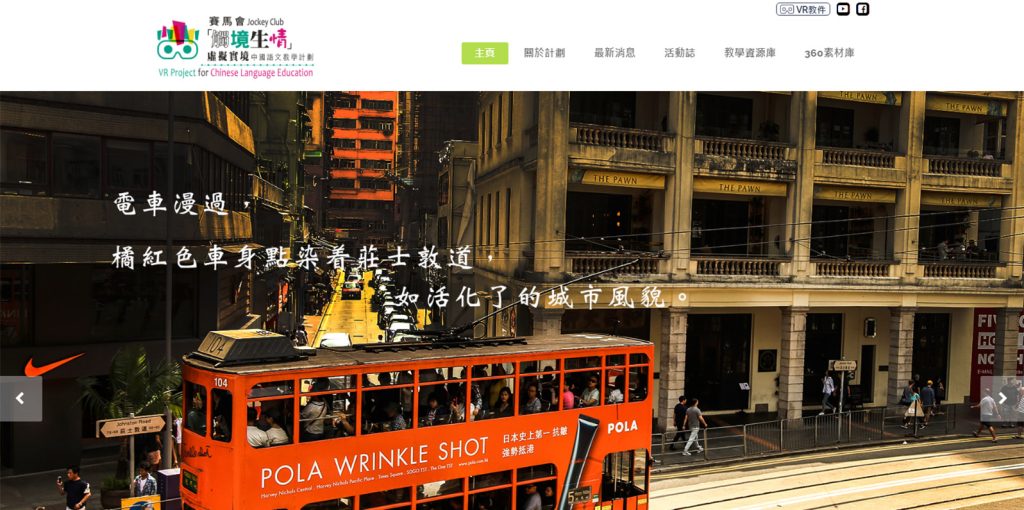 JC VR
JC VR
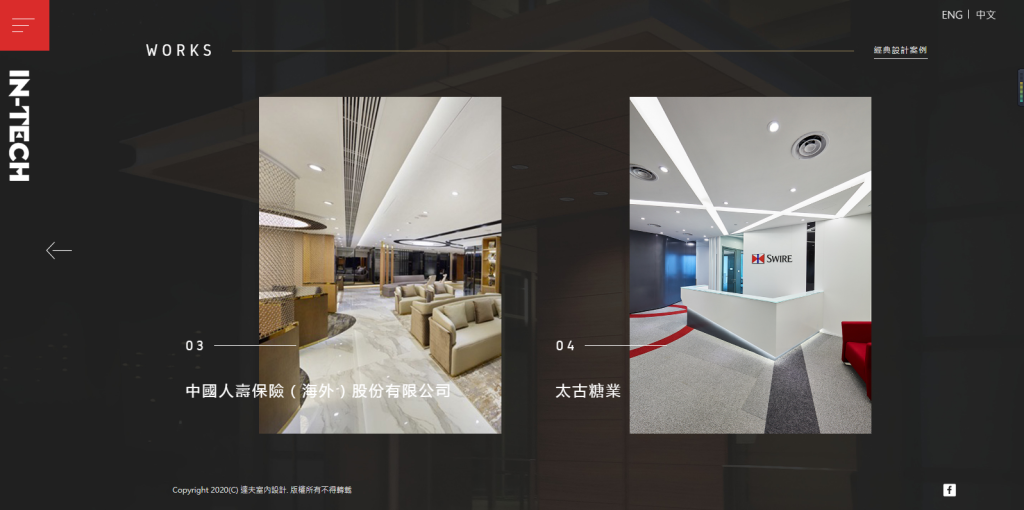 In-Tech Design
 HH Long
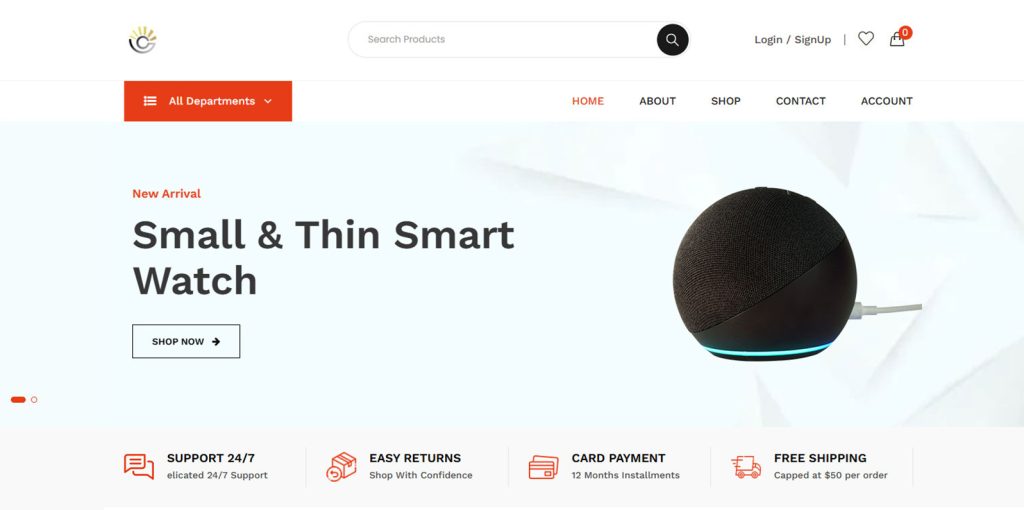 3G Store
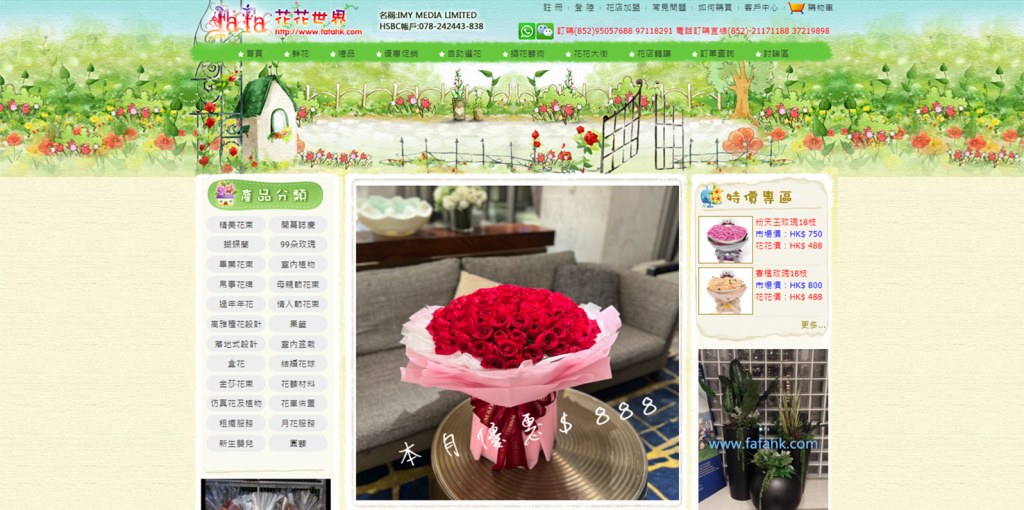 Client
 Client
 Client
 Client
 Client